Professional Development & Consulting
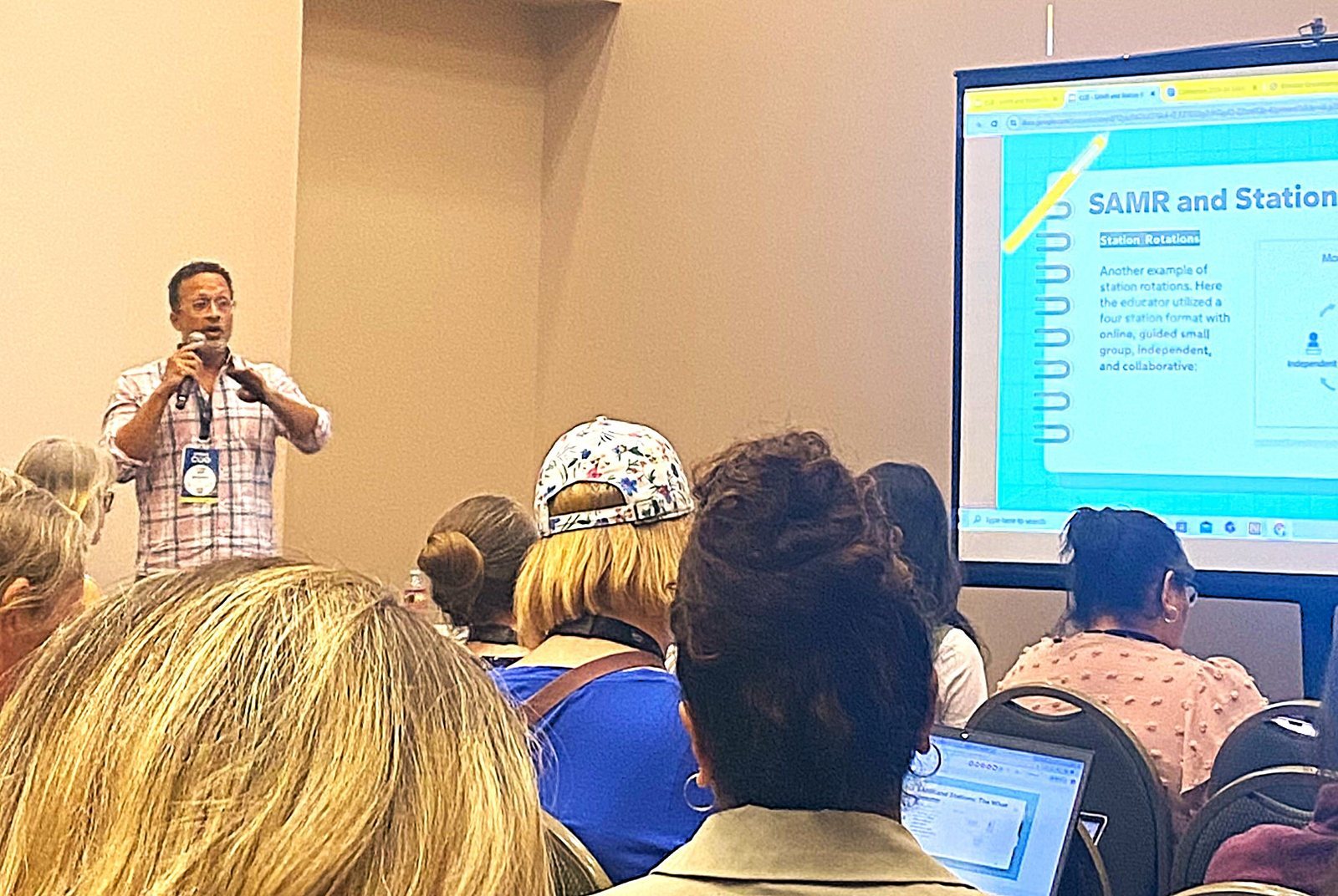
Workshops, planning sessions, conference presentations, and coaching that help educators begin the implementation process during professional learning itself.
 Educational Urban Technologies
Structured student-centered learning
Educational Urban Technologies (Edutech) helps schools design active, purposeful, and digitally relevant learning environments where technology supports stronger teaching, clearer access, and more meaningful student work.
Core services
The work is built around implementation, not one-time inspiration. Each service helps educators connect instructional purpose, classroom structure, and digital tools.
Workshops, planning sessions, conference presentations, and coaching that help educators begin the implementation process during professional learning itself.
Structures for active learning, digital practice, collaboration, and teacher-guided small-group support that transform instruction.
Practical guidance for using AI after student thinking has begun, so tools refine learning instead of replacing it.
Guidance for moving students beyond digital consumption toward creation, explanation, reflection, and technology-rich enrichment opportunities.
Who we serve
Edutech partners with leaders, educators, and mission-driven organizations that want students and teachers to have the tools, structures, confidence, and guidance to move forward.
Why this work matters
Many students are navigating shorter attention windows, rising anxiety, digital overload, and fewer opportunities for meaningful peer interaction. The response is not more technology for its own sake. The work is designing active, structured learning where students think creatively and engage with purpose. Digital tools should support deeper practice, clearer communication, and stronger confidence as learners.
Ready to plan the next step?